• Skip to primary navigation
  • Skip to main content
  • Skip to primary sidebar
  • Skip to footer
Raleigh Gynecology & Wellness, PA Site Logo

Raleigh Gynecology & Wellness

North Carolina GYN Care & Treatment

  • (919) 525-3959
  • Schedule Appointment
  • About
    • Contact
    • Our Team
  • Patient Forms
  • Routine Care
    • Breast Care
    • Contraceptive Care
    • Emergency Contraception
    • Gardasil Vaccination
    • GYN Wellness Screening
    • HPV Counseling
    • PAP Test
    • STD Testing
    • Mammography
  • Conditions & Management
    • Abnormal PAP Smears
    • Endometriosis
    • Initial Evaluation of Infertility
    • Menopause & Peri-Menopause Care
    • Menstrual Disorders
    • PCOS
    • Pelvic Relaxation & Prolapse
    • Sexual Health & Sexual Dysfunction
    • Urinary Problems
    • Vaginal Dryness & Painful Sex
    • Vaginitis Care
  • Procedures
    • Colposcopy
    • Endometrial Biopsy
    • IUD Insertion
    • LEEP
    • MonaLisa Touch
    • Nexplanon
    • Nitrous Oxide
    • Pessary Fitting
    • Sonohysterography & Ultrasound
  • Patient Portal

Foods That Support Breast Health

Routine Gynecologic Care

Raleigh Gynecology June 8, 2026

Essential Takeaways:

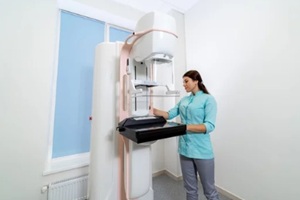
  • young woman is having mammography examination at the hospital or private clinic with a professional female doctorEating a diet high in whole grains, fruits, vegetables, and fatty fish can help support overall breast health and may lower your breast cancer risk.
  • High-fiber foods such as beans, whole grains, and nuts may reduce your risk of breast cancer by regulating estrogen levels and supporting gut health.
  • Antioxidant-rich foods such as berries and cruciferous vegetables contain compounds that can help protect cells from damage and inflammation.
  • Limiting alcohol intake and refined and processed foods, especially those high in added sugars and unhealthy fats, can be part of a breast-healthy lifestyle.
  • While no food can prevent breast cancer entirely, small, consistent dietary changes can support long-term wellness.

Nutrition for Better Breast Health

As part of a preventive approach to women’s health, diet is often one of the first areas women look to for guidance. You may find yourself wondering which foods truly support breast health and which claims may be misleading. While nutrition can’t replace medical care or breast cancer screening, the foods you choose each day can play a meaningful role in supporting overall health, hormone balance, and inflammation levels.

The goal isn’t perfection or restriction, but simple, sustainable choices that help you feel informed, empowered, and confident about caring for your body now and in the future.

Fruits and Berries

Colorful fruits are not just delicious but are often packed with antioxidants and plant compounds that can help protect your cells from oxidative stress and inflammation. Darker berries such as blueberries, strawberries, and raspberries are rich in anthocyanins and have been studied for their potential to support cellular health.

The benefits of eating fruits and berries extend beyond cellular support. They can also increase your fiber intake, which is linked to better digestive health and may help regulate hormones associated with breast cancer risk.

Try to include an assortment of fruits in your meals. In addition to eating them on their own, you can add fresh berries to your morning yogurt or oatmeal, blend them into smoothies, or toss them into salads or snacks.

Leafy Greens and Cruciferous Vegetables

Leafy greens such as collard greens, kale, and spinach are high in vitamins, minerals, and bioactive compounds. Cruciferous veggies, including broccoli, cauliflower, and Brussels sprouts, also contain sulforaphane and other phytochemicals that research suggests can help regulate hormone levels and reduce inflammation.

Looking to add more to your plate? There are many ways to incorporate leafy greens and cruciferous veggies into your diet. Sauté greens with garlic and olive oil, add cruciferous vegetables to stir-fries or soups, or blend spinach into smoothies for an easy nutrient boost.

Eating three or more servings of vegetables per day has been associated with lower overall cancer risk.

Whole Grains and Fiber-Rich Foods

Fiber plays an important role in digestive health, weight management, and hormone regulation, which makes it an essential part of a breast-healthy diet. Whole grains such as oats, quinoa, brown rice, and whole-wheat bread provide complex carbohydrates, vitamins, and fiber that keep you full and support balanced blood sugar.

A 2021 study involving more than 10,000 women found that diets higher in high-quality carbohydrates, such as whole grains, were associated with a decreased risk of developing breast cancer over time.

Beans, lentils, and other legumes are also excellent sources of protein and fiber, helping regulate estrogen levels and promoting a healthy gut microbiome, which may influence breast health.

Healthy Fats and Omega-3s

woman hand checking lumps on her breast for signs of breast cancer on gray backgroundNot all fats are created equal. Healthy fats, such as those found in fatty fish (salmon, sardines, trout), walnuts, and flaxseed, contain omega-3 fatty acids and other important anti-inflammatory substances. These fats may help balance inflammatory processes and support overall cellular health.

There are several simple ways you can incorporate healthy fats. Try baking salmon or trout with herbs and lemon, or sprinkle walnuts or flaxseed on salads and yogurt. When cooking, consider using olive oil. These minor swaps can make meals more satisfying while delivering nutrients that complement a breast-supportive lifestyle.

Soy and Plant-Based Proteins

Plant-based proteins such as tofu, tempeh, and edamame not only provide protein but also contain phytoestrogens, a type of plant compound that can mildly mimic estrogen in the body. Contrary to old myths, moderate soy consumption appears safe and may even offer protective benefits, especially when included as part of a balanced diet.

When looking for ways to add soy and plant-based proteins to your diet, consider stir-frying tofu with veggies, adding edamame to salads, or using soy milk in your smoothies or cereal. If you have dietary restrictions or specific health concerns, talk to your provider or a registered dietitian about the right approach for you.

Foods to Limit for Breast Health

Just as some foods can support your health, others may contribute to a higher risk when consumed frequently. Highly processed foods, sugary beverages, and fried or ultra-processed items have been linked with increased inflammation and may elevate cancer risk.

Limiting these and focusing on whole, minimally processed foods helps reduce systemic inflammation and supports breast health as part of a broader lifestyle approach, alongside activity, sleep, and preventive care.

Alcohol and Breast Cancer Risk

Alcohol is often overlooked when talking about nutrition and long-term health, but research consistently shows that it plays a role in breast cancer risk.

Studies have found a clear dose-response relationship between alcohol and breast cancer. In other words, the more alcohol you drink, the higher your risk becomes. One analysis published in Breast Cancer Research found that breast cancer risk increases by about 7% for each additional daily drink.

In addition, findings from a JAMA study found that women who drink two or more alcoholic beverages daily had roughly a 1.5 times greater risk of breast cancer than those who don’t drink, along with a 1.3 percent rise in 10-year risk.

This does not mean you need to eliminate alcohol, but it does highlight the importance of moderation.

Your Diet Is One Piece of the Puzzle

No single food assures protection against disease, including breast cancer. However, choosing nutrient-rich foods consistently can help you maintain a healthy weight, support hormonal balance, and feel more in control of your long-term well-being.

While embracing a breast-supportive diet, be sure to stay up to date with routine checkups and discussions about breast cancer screening with your healthcare provider. Prevention is most powerful when diet, lifestyle, and medical care work together.

Stay Proactive With Breast Cancer Screening

medicine and breast cancer concept, Woman with pink cancer ribboIf you’d like personalized guidance on nutrition, breast health, or preventive care, our women’s health team at Raleigh Gynecology & Wellness is here for you. We can help you make informed decisions that fit your lifestyle, support your goals, and empower your well-being.

Contact us today to start a breast-healthy habit that includes evidence-informed dietary support and trusted preventive care.

Raleigh Gynecology June 1, 2026

Essential Takeaways

  • nurse setting up mammogram machineBreast density is a normal part of your anatomy and plays an important role in how your screenings are interpreted.
  • Dense breast tissue is common and can affect how clearly abnormalities appear on imaging tests.
  • Knowing your density helps guide more personalized breast cancer screening decisions.
  • A 3D mammogram and other tools may be recommended to improve detection, depending on your density.
  • Staying informed supports better preventive health screening and long-term peace of mind.

Taking Charge of Your Breast Health

If you have ever read your mammogram report and felt confused by the term “breast density,” you are not alone. Many women receive this information without much explanation, leaving them unsure about what it means for their health. It can feel unsettling to hear that you have dense breast tissue, especially if you are already thinking about your cancer risk.

The truth is, breast density is one natural aspect of your body. It does not mean something is wrong, but it does influence how your screenings are performed and interpreted. By taking the time to understand it, you empower yourself to make informed and confident choices about your care.

Let’s look at what breast density categories mean, how they relate to mammogram risk factors, and what steps you can take to feel more in control of your health.

What Are Breast Density Categories?

Your breast density categories describe the ratio of glandular and fibrous tissue compared to fatty breast tissue. These categories come from what shows up on a mammogram, and they fall into four groups: almost entirely fatty, scattered density, heterogeneously dense, and extremely dense.

This is an important part of understanding breast tissue because each type appears differently on imaging. Fatty tissue shows up darker, while dense tissue appears white. Since potential abnormalities also appear white, a higher density can make it more difficult to detect changes.

According to the Centers for Disease Control and Prevention, about half of women aged 40 and older have dense breasts. This makes dense breast awareness an essential part of patient education on breast health. Knowing your category helps you and your provider decide whether additional imaging may be helpful.

How Breast Density Affects Mammogram Results

Breast density plays a significant role in the effectiveness of your screening. A traditional mammogram is a powerful tool, but its accuracy can be limited in women with dense tissue.

doctor reviewing mammography results on pcResearch shows that mammography sensitivity can decrease in dense breasts, sometimes missing small abnormalities that could be easier to detect in less dense tissue. This is one reason why understanding your density is so important when evaluating mammogram risk factors.

A 3d mammogram, also called a digital breast tomosynthesis, can improve detection by creating layered images of the breast. This allows radiologists to examine tissue more closely and reduces the risk that overlapping structures will obscure an abnormality. Many providers now recommend this option as part of a more advanced breast imaging guidance strategy.

Breast Density and Cancer Risk

It is natural to wonder how density affects your overall risk. Having dense breast tissue means your breast cancer risk is a bit higher than if your breasts were mostly fatty tissue.

A study in the American Journal of Epidemiology found that women with extremely dense breasts may have a risk that is about 1.8 times higher than women with average density. While this may sound concerning, it is important to remember that density is just one factor in a broader breast cancer risk assessment.

Things such as age, family history, lifestyle, and genetics can also play a role. By understanding how these pieces fit together, you and your provider can create a screening plan that reflects your individual needs.

Screening Options for Dense Breasts

If you have been told you have dense breasts, you may benefit from additional screening methods alongside your routine mammogram. These options are designed to improve detection and provide reassurance.

Ultrasound is commonly used as a tool in follow-up appointments to evaluate specific areas more closely. It can help distinguish between solid masses and fluid-filled cysts, offering valuable insight when mammogram results are unclear.

Magnetic resonance imaging, or MRI, may also be recommended in certain higher-risk cases. According to the American Cancer Society, MRI can detect cancers that mammography may miss, particularly in women with increased risk factors.

Schedule an Appointment With Raleigh Gynecology & Wellness

female doctor in a modern clinic explains the mammography procedure to a topless adult patient undergoing a mammogramIt is completely normal to feel overwhelmed when reviewing breast health information. You may be balancing a busy schedule, family responsibilities, and your own health at the same time. Taking time to understand your body is a powerful act of self-care.

If you have questions about your breast density or need help choosing the right screening plan, our compassionate women’s health team is here for you. Schedule your appointment with Raleigh Gynecology & Wellness today and take control of your health with confidence.

Raleigh Gynecology May 25, 2026

Essential Takeaways:

  • microscope, medical research and woman in lab, genetics test and pharmaceutical studyGenetic counseling helps individuals and families understand their odds of inheriting certain health conditions.
  • A genetic risk assessment provides personalized information based on your medical and family history.
  • Counseling can help guide decisions about screening, testing, and long-term medical planning.
  • Many inherited conditions can be better managed with early detection and preventive care.
  • Hereditary condition counseling offers clarity, support, and informed guidance for families with higher health risks.

Finding Answers Through Genetic Counseling

Learning that certain health conditions run in your family can feel overwhelming. You may wonder what it means for your own health or for your children’s future. Questions about breast health, inherited disorders, and family risk can create uncertainty about what steps to take next.

This is where high-risk families’ genetic counseling can make a meaningful difference. Genetic counseling provides personalized information about inherited conditions, potential risks, and strategies to help protect your health. Rather than relying on guesswork or internet searches, you receive guidance suited to your medical and family history.

What Genetic Counseling Actually Involves

Genetic counseling is an informative service that helps you understand how inherited conditions may affect you or your family. During a counseling session, a trained provider reviews your family’s medical background and your personal health history.

This data is used to perform a genetic risk assessment. The assessment looks for patterns that may suggest an inherited condition or an increased likelihood of certain diseases. If appropriate, the counselor may discuss genetic testing advice and explain how testing works.

Why Genetic Risk Assessment Matters

Many serious health conditions have a genetic component. Identifying these risks early can help guide medical decisions and preventive care.

According to the Centers for Disease Control and Prevention, about 5 to 10% of breast cancer cases are linked to inherited genetic mutations such as BRCA1 or BRCA2. Women who carry these mutations have a significantly higher lifetime risk of developing breast cancer compared with the general population.

Through genetic risk assessment, providers can identify individuals who may benefit from preventive genetic services or earlier screenings. For example, women with certain genetic mutations may begin breast imaging at a younger age or consider additional monitoring.

Support for Family Health Planning

Genetic counseling can also be helpful for couples who are planning to start or grow a family. Some inherited conditions are passed from parents to children even when the parents themselves do not have symptoms.

doctor meets patients in clinic centre, consulting family couple, counseling therapyResearch estimates that about 1 in 300 people carry a gene mutation associated with hereditary cancer syndromes. Many individuals are unaware of these risks until a genetic evaluation is performed.

Counseling sessions can guide parents on inherited conditions, helping them understand the likelihood of passing certain traits to their children. This information supports family health planning and allows couples to discuss available options.

Reducing Anxiety Through Knowledge

One of the most overlooked benefits of genetic counseling is the emotional support it provides. When you suspect a hereditary health risk, the unknown can feel frightening. Many people worry about what they might find or what it could mean for their loved ones.

Working with a trained counselor can ease these concerns. You receive clear explanations about risks, probabilities, and available medical approaches.

Studies published in the Journal of Genetic Counseling show that patients who receive professional counseling often report reduced anxiety and greater confidence in their healthcare decisions.

Preventive Genetic Services and Medical Risk Management

Genetic counseling also affects long-term medical risk management. When a genetic predisposition is identified, your healthcare team can recommend preventive genetic services designed to monitor and protect your health.

These strategies may include earlier screening tests, lifestyle adjustments, or preventive treatments. For example, individuals with certain hereditary cancer risks may benefit from more frequent imaging or specialized monitoring programs.

Research suggests that screening programs can significantly improve early detection rates for individuals with inherited cancer risks. Detecting conditions early often leads to better outcomes and more treatment options.

Who Should Consider Genetic Counseling

Genetic risk assessments may be helpful if you have:

  • Multiple family members diagnosed with the same condition
  • A close relative who was diagnosed with cancer at a young age
  • A known hereditary condition in your family
  • A personal medical history that suggests a genetic risk
  • Questions about inherited health risks before starting a family

Even if you are unsure whether your family history qualifies, speaking with a provider can help determine whether further evaluation is appropriate.

Personalized Guidance for Your Health and Well-Being

scientists are experimenting genetic research and biotech science human biology and pharmaceutical technology on laboratory background

Learning about your genetic background can feel complex, but there are professionals who can help. High-risk families’ genetic counseling services provide the personal support and information needed to make informed health choices.

At Raleigh Gynecology & Wellness, we believe that every patient deserves personalized healthcare that reflects their health history and concerns. Contact our office today to schedule an appointment and see how we can help support your long-term health and peace of mind.

Raleigh Gynecology May 18, 2026

Essential Takeaways:

  • woman chooses pink support bra hanging on rack in lingerie storeThere is no strong scientific evidence that underwire bras cause lymphatic blockage or breast cancer.
  • The lymphatic system is resilient and not easily obstructed by properly fitted clothing.
  • Wearing a well-fitting bra matters more for comfort and breast support than whether it contains an underwire.
  • A health professional should evaluate discomfort, skin irritation, or swelling.
  • Personalized guidance from a women’s health provider can help you make confident, informed decisions about your breast health.

Making Informed Choices About Underwire Bras

You may have heard that underwire bras can block lymphatic drainage, trap toxins, or even increase your risk of breast cancer. These claims often circulate online and can leave you feeling uncertain about something as simple as getting dressed each morning. When it comes to your health, especially your breast health, you deserve clear answers rooted in science rather than fear.

Find out what the lymphatic system actually does, what research says about underwire bras, and how you can make choices that support both comfort and long-term wellness.

Your Lymphatic System Explained

Your lymphatic system is a network of vessels and lymph nodes that helps clear waste, fight infection, and drain excess fluid from your body. It also contributes to immune system function. In the breast and underarm area, lymph nodes filter lymphatic fluid before returning it to the bloodstream.

Lymph flow depends primarily on muscle movement and natural body processes, not simply gravity or clothing pressure. While extremely tight garments can cause temporary skin indentations or mild discomfort, the body’s lymphatic circulation is not easily shut down by a properly fitted bra.

Breast cancer spreads through lymphatic channels in some cases, which is why lymph nodes are evaluated during diagnosis. However, this is a biological process related to cancer cells, not everyday clothing choices.

Where the Underwire Myth Started

Concerns about underwire bras gained attention in the 1990s when a small observational study suggested a possible link between bra-wearing habits and breast cancer risk. However, that study was not well-controlled and did not establish cause and effect.

More recent and well-designed research does not support the claim. A 2014 study conducted by researchers at the Fred Hutch Cancer Center examined postmenopausal women and found no connection between bra wearing, including underwire use, and breast cancer risk. Researchers concluded that bra characteristics, such as cup size, hours worn, or underwire presence, were not linked to the development of cancer.

According to the American Cancer Society, established risk factors for breast cancer include age, family history, certain genetic mutations, reproductive history, and lifestyle factors such as alcohol use and obesity.

Can Tight Bras Affect Comfort or Swelling?

While underwire bras are not shown to cause lymphatic disease or cancer, that does not mean comfort should be ignored. If your bra is too tight, it can result in:

  • red underwire braSkin irritation or chafing
  • Temporary indentations
  • Shoulder or back discomfort
  • A feeling of restricted movement

Choosing What Feels Right for You

Your comfort matters. Some women prefer underwire bras for structure and lift. Others feel better in wireless styles, bralettes, or supportive sports bras.

When selecting a bra, consider factors such as proper fit around your band and cups, and adjustable straps that do not dig into your shoulders. Also, look at whether the bra is made from a breathable material, and whether it offers adequate support for your breast size.

If you notice redness, persistent pain, or swelling, it is worth discussing with a healthcare provider. Sometimes discomfort is simply a sizing issue. Other times, it may signal hormonal changes, fibrocystic breast changes, or other benign conditions that deserve evaluation.

Regular clinical exams and age-appropriate imaging remain far more important to your long-term health than whether your bra has an underwire.

Focusing on What Truly Supports Breast Health

It is understandable to want control over your health, especially when headlines suggest hidden dangers in everyday products. But evidence-based care helps you focus your energy where it truly matters.

Staying at a healthy weight, cutting back on alcohol, exercising regularly, and keeping up with recommended screenings are proven ways to support breast health. The CDC notes that about 270,000 cases of breast cancer are diagnosed in U.S. women each year, making early detection and preventive care essential.

When to Talk to a Provider

You should reach out to a women’s health provider if you notice:

  • Thickening in the underarm or breast, or a new lump
  • Persistent breast pain in a certain area
  • Skin changes such as redness or dimpling
  • Swelling that doesn’t resolve on its own
  • Nipple discharge unrelated to breastfeeding

Even if your concern feels small, you deserve reassurance and clarity. Many breast symptoms are benign, but proper evaluation can give you peace of mind.

Connect With Our Care Team at Raleigh Gynecology & Wellness

healthy women wearing underwire braMisinformation can quickly spread, especially when it taps into fears about cancer or toxins. The truth is that there is no strong scientific evidence linking underwire bras to lymphatic blockage or breast cancer.

If you have questions about breast health, lymphatic concerns, or routine screenings, our team is here to listen and provide clarity and respect. Schedule an appointment with Raleigh Gynecology & Wellness today to consult with one of our knowledgeable providers.

Raleigh Gynecology May 11, 2026

Essential Takeaways:

  • selective focus of unrecognizable woman getting breast examination during appointment at hospitalA breast ultrasound is a safe, noninvasive imaging method that employs sound waves to produce clear pictures of the breast tissue.
  • Breast ultrasound complements a diagnostic mammogram by helping distinguish between fluid‑filled cysts and suspicious solid masses that may need further evaluation.
  • Ultrasound can be invaluable for women with dense breast tissue, where mammography may miss abnormalities.
  • The combination of breast ultrasound and mammography increases cancer detection sensitivity, improving the odds of detecting issues early.
  • While ultrasound is an important tool, it is not used alone for routine screening but as part of a thorough diagnostic breast imaging strategy.

Importance of Ultrasound for Breast Health

You may be here because you recently received a referral for a breast ultrasound or because you simply want to know more about your breast imaging options. Either way, you are doing something powerful and proactive for your health. Find out what a breast ultrasound is, how it supports a diagnostic mammogram, and what you can expect when you undergo this safe and practical imaging test.

Breast Ultrasound and How It Works

A breast ultrasound is a specialized imaging procedure that relies on high-frequency sound waves to generate internal images of the breasts. It is different from a diagnostic mammogram, which uses low‑dose X‑rays. Instead, ultrasound uses sound waves to produce images that help doctors see structures inside the breast that might not be visible on a mammogram.

One of the major advantages of breast ultrasound is that it does not expose you to radiation, and most women find it comfortable and quick. During the exam, a technician or radiologist moves a small handheld device, known as a transducer, over your skin after applying a warm gel. The transducer transmits sound waves into your breast tissue and detects the echoes that bounce back, turning them into visible images displayed on a screen.

How Ultrasound Complements Diagnostic Mammography

It is important to remember that breast ultrasound is not often used alone as a first‑line screening tool for breast cancer. A mammogram is widely regarded as the primary standard for routine breast cancer screening in most women.

However, when something unusual is found on a mammogram or when you have symptoms such as a lump, pain, or nipple discharge, an ultrasound becomes an essential part of diagnostic breast imaging.

Ultrasound uses breast imaging techniques that are particularly effective at distinguishing between solid masses and fluid‑filled cysts. Cysts are typically benign and often don’t require further testing, while solid masses may need more evaluation. This distinction can help your healthcare provider determine which step comes next.

Why Ultrasound Matters for Women With Dense Breasts

man, wearing blue medical gloves, is using ultrasound machine to examine internal organs of a patient womanMany women have dense breasts, in which fibrous and glandular tissue make up a greater proportion of the breast than fatty tissue. Dense tissue can make it challenging for mammograms to differentiate between normal and abnormal areas because both dense breast tissue and potential tumors appear white on mammograms.

Ultrasound may help fill this gap by providing sound‑wave‑based images that are less affected by tissue density.

For women with dense breasts, ultrasound can increase the chances of spotting a small mass that might otherwise be hidden on a mammogram. While dense breast tissue does not necessarily mean you have cancer, it can make detection more challenging, and that is where ultrasound may be a valuable part of your diagnostic care plan.

What You Can Expect During Your Ultrasound

If your provider has recommended a breast ultrasound, here is what you should know before you go:

  • Before the exam: A breast ultrasound usually requires minimal preparation. Your provider may simply ask you to avoid applying lotion or powder to your chest on the day of the exam.
  • During the exam: The process is non‑invasive. You will lie still while a warm gel is applied to your skin and the transducer is moved across the breast. Most women report that the test is painless. You may feel light pressure but no significant discomfort.
  • After the exam: A radiologist will interpret the images, and your provider will talk with you about what they mean. If further testing, such as a biopsy, is needed, your care team will guide you through the next steps.

Ultrasound Is Part of a Bigger Picture

Your breast health experience may require complementary breast imaging tests such as MRI or 3D mammography, in addition to ultrasound and diagnostic mammograms. Each tool has its strengths, and your healthcare team will recommend the best combination based on your individual risk factors, symptoms, and breast tissue characteristics.

Contact Raleigh Gynecology & Wellness for Guidance and Support

preemptive ultrasound mammography done by gynecologistKnowing your breast imaging options can help you feel more in control of your health and choices. Ultrasound for breast health is a safe, practical tool that provides valuable information when used alongside diagnostic mammography. It can help clarify suspicious findings and guide further care in a way personalized to you.

Ready to take the next step in your breast health with professional support? Book your ultrasound with our experienced women’s health team at Raleigh Gynecology & Wellness today.

  • « Go to Previous Page
  • Page 1
  • Page 2
  • Page 3
  • Page 4
  • Page 5
  • Interim pages omitted …
  • Page 21
  • Go to Next Page »

Primary Sidebar

Have A Question?

  • This field is for validation purposes and should be left unchanged.

Footer

Raleigh Gynecology

2304 Wesvill Court,Suite 210Raleigh, NC 27607(919) 636-6670

Link to company Facebook page

Link to company Twitter page

Link to company Instagram page


  • About
  • Blog
  • Contact
  • Patient Forms
  • Anti-Discrimination Policy

Conditions & Management

  • Abnormal PAP Smears
  • Endometriosis
  • Initial Evaluation of Infertility
  • Menopause & Peri-Menopause Care
  • Menstrual Disorders
  • PCOS
  • Pelvic Relaxation & Prolapse
  • Sexual Health & Sexual Dysfunction
  • Urinary Problems
  • Vaginal Dryness & Painful Sex
  • Vaginitis Care

Procedures

  • Colposcopy
  • Endometrial Biopsy
  • IUD Insertion
  • LEEP
  • MonaLisa Touch
  • Nexplanon
  • Pelvic Floor Therapy
  • Pessary Fitting
  • Sonohysterography & Ultrasound

Routine Care

  • Breast Care
  • Contraceptive Care
  • Emergency Contraception
  • Gardasil Vaccination
  • GYN Wellness Screening
  • HPV Counseling
  • Mammography
  • PAP Test
  • STD Testing

© 2026 Raleigh Gynecology & Wellness, PA · Powered by 321 Web Marketing · Website Privacy Policy & Terms of Use