
Essential Takeaways
 A little planning ahead can make your first 3D mammogram feel much more comfortable and manageable.
- Wearing the right clothing and avoiding certain products on exam day can help your appointment go smoothly.
- Knowing the 3D mammogram process ahead of time often reduces anxiety and uncertainty.
- Most 3D mammograms are completed in less than 30 minutes, with the imaging itself taking only a few minutes.
- Asking questions and communicating your concerns with your provider can help you feel more supported.
Your First 3D Mammogram
For many women, a first 3D mammogram brings both reassurance and understandable nerves. You may feel responsible and proactive one moment, then anxious or overwhelmed the next. That is completely normal. Many women worry about discomfort, fear the unknown, or wonder if they are doing everything correctly before the appointment.
The good news is that a little preparation can make a huge difference. When you understand how to prepare for a 3D mammogram and know what to expect, the experience often feels far less intimidating.
Find practical first mammogram tips, simple breast screening preparation steps, and ways to ease anxiety so you can walk into your appointment feeling informed and calm.
3D Mammogram: What To Expect
A 3D mammogram, also referred to as digital breast tomosynthesis, captures multiple images of the breast from strategic angles. These images are combined to create a layered view of breast tissue, giving radiologists a clearer view than traditional 2D mammography.
According to the Breast Cancer Research Foundation, mammograms can often detect breast cancer before symptoms develop, sometimes up to three years early.
Many women appreciate that 3D imaging may reduce the need for additional testing after screening. Research published in the journal Radiology found that 3D mammography improved cancer detection rates while lowering recall rates for follow-up imaging.
Schedule Your Appointment at the Right Time
One of the best first mammogram tips is to schedule your exam when your breasts are least tender. For many women, that means avoiding the week before their menstrual period, when hormonal changes can increase sensitivity.
Try to pick a day and time when you are not rushing between obligations. Giving yourself extra time before and after the appointment can help you find a sense of calm. If you tend to experience medical anxiety, consider scheduling earlier in the day so you are not spending hours anticipating the visit.
Know What To Wear to Your Mammogram
Many patients wonder what to wear for a mammogram. The easiest option is a two-piece outfit. Wearing a shirt with pants or a skirt allows you to undress only from the waist up during the exam.
Avoid wearing the following products on your underarms or chest the day of the procedure:
- Deodorant
- Lotion
- Powder
- Perfume
- Creams or oils
These products can sometimes appear on imaging and interfere with the results.
Know the 3D Mammogram Process
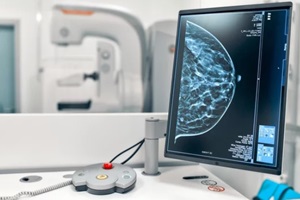 Not knowing what to expect is often a major source of anxiety. Learning the 3D mammogram preparation and procedure processes ahead of time can help you feel more at ease.
During testing, your breast will be positioned on the imaging machine. The breast is compressed briefly between two plates while images are taken. Compression can feel uncomfortable for some women, but it lasts just a few seconds at a time.
The entire appointment typically lasts 20 to 30 minutes, while the imaging portion may take less than 10 minutes. If you are concerned about discomfort, let the technologist know. They perform these exams every day and can often adjust positioning or guide you through the process more gently.
Mammogram Anxiety Tips That Can Help
Feeling nervous does not mean you are weak or overreacting. Medical appointments involving uncertainty can feel emotional, especially if you have a family history of breast cancer or previous health concerns.
These mammogram anxiety tips may help:
Focus on the Purpose of the Exam
A mammogram is a preventive tool designed to protect your health. Screening gives you information and peace of mind, even if follow-up imaging is needed later.
Bring Support If Allowed
A friend or family member may be able to accompany you to the appointment or wait nearby, depending on the facility’s policies. Having someone there to support you can be comforting.
Practice Slow Breathing
Before and during the appointment, take slow breaths to relax muscle tension. Tight muscles can sometimes increase discomfort during compression.
Avoid Reading Worst-Case Scenarios Online
Searching for symptoms or personal experiences online can quickly increase anxiety. Instead, rely on guidance from trusted healthcare professionals.
The National Breast Cancer Foundation reports that 1 in 8 women in the United States will develop breast cancer during their lifetime, which is why regular screenings are worth the temporary discomfort.
What Happens After Your Mammogram?
Many women feel anxious waiting for results, especially after a first screening. Depending on the imaging center, you may receive results within a few days or up to a couple of weeks.
Sometimes patients are called back for more testing. It isn’t necessarily a sign that anything is amiss. Dense breast tissue, overlapping tissue, or unclear images can all lead to follow-up testing.
If you have questions or concerns about your mammogram results, contact your provider for answers and reassurance.
Breast Imaging Guidance and Next Steps
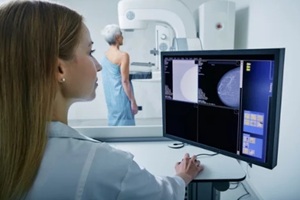 Preparing for your first mammogram is not just about checking off another medical appointment. It is about investing in your health and giving yourself the attention and care that you deserve.
If you are due for breast screening or have questions about the process, our compassionate women’s health team at Raleigh Gynecology & Wellness is here to support you. Contact our office today to schedule your 3D mammogram and receive personalized care in a comfortable, supportive environment.