
Essential Takeaways
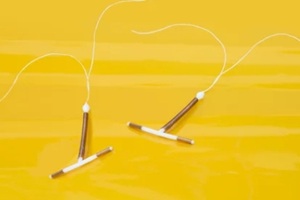 Hormonal IUDs like Mirena and Kyleena often lighten periods over time, while the copper Paragard IUD can cause heavier bleeding at first.
- Insertion takes just a few minutes, and pain management options can ease the experience.
- IUDs are among the most effective forms of long-acting reversible contraception, though they are not automatically right for everyone.
- A gynecologist visit is the clearest way to know if an IUD fits your health history and goals.
Is an IUD Birth Control Option Right for You?
An IUD may be a good match when you want years of highly effective contraception without the upkeep of a daily method. Your health history also plays a part, since certain uterine conditions can rule out placement, and so can your comfort level with a brief in-office procedure. For a lot of women, the choice comes down to being tired of remembering a daily pill and wanting something that works quietly in the background for years.
Heavier or more painful cycles often point toward a hormonal IUD, since progestin can ease both, while a preference to avoid hormones altogether points toward the copper Paragard IUD instead.
Before placing one, your provider reviews your health history and, in many cases, does a brief pelvic exam to check the size and position of your uterus. A current pelvic infection or unexplained abnormal bleeding are examples of things worth sorting out first, which is part of why this conversation happens before anything gets scheduled.
Hormonal IUD vs. Copper IUD: What’s the Difference?
Hormonal IUDs release progestin continuously, which thins the uterine lining, which often makes periods lighter and less crampy within the first year of use. The copper IUD contains no hormones at all, and instead the copper itself impairs sperm, preventing it from reaching and fertilizing an egg. Both hormonal and copper IUDs prevent pregnancy more than 99 percent of the time, placing them among the most reliable reversible birth control methods available.
Mirena, Kyleena, Liletta, and Skyla are the hormonal IUDs on the market today, differing mainly in hormone dose and how long they last. Paragard remains the only copper IUD approved in the United States, and it’s effective for up to 10 years.
Who Benefits Most from Each Type of IUD?
Women with heavy or painful periods often do well with a hormonal IUD, since progestin may reduce both flow and cramping, and many patients notice a real difference within three to six months of switching. The Kyleena IUD tends to suit women who want a smaller device with a somewhat lower hormone dose, while the Mirena IUD is often chosen for its longer track record and higher hormone dose. Mirena is FDA-indicated as a potential treatment for heavier bleeding.
The copper Paragard IUD may suit women who want to avoid hormonal side effects entirely, including the mood changes or headaches some women notice with hormonal methods. It’s worth knowing that the copper IUD can make periods heavier and more irregular for the first several months, so women already managing heavy cycles may do better with a hormonal option instead.
The right fit also shifts with age and life stage. A woman in her 20s may choose an IUD for years of contraception she does not have to think about, while a woman in her 40s dealing with heavier perimenopausal bleeding may lean toward a hormonal IUD partly for the lighter periods it tends to bring.
What Happens During IUD Insertion?
IUD insertion is done in the office and usually takes only a few minutes from start to finish. Some women take an over-the-counter anti-inflammatory like ibuprofen about half an hour before the appointment so they feel more settled walking in, and patients who follow that step sometimes report that their cramping felt more like a strong period than a medical procedure.
You may feel pressure or cramping as the device passes through the cervix, and some light bleeding or spotting in the days that follow is a normal part of the IUD insertion process.
Pain expectations vary widely from patient to patient, so your medical team should review the pain management options that can help, such as nitrous oxide,, during the procedure..
IUD vs. Pill: Weighing the Pros and Cons
 The clearest advantage an IUD holds over the pill is consistency, since the pill depends on your daily routine and skipping even a few doses in a row can lower how well it works, on top of the standing prescription and regular pharmacy refills it requires. An IUD asks nothing of you day to day once it is in place, which is a large part of why it ranks among the most effective reversible methods available.
IUD side effects like cramping or spotting can take a few months to settle. If your plans change, IUD removal is typically a quick in-office visit, and your cycle usually returns to its normal pattern shortly afterward.
Talk to Raleigh Gynecology & Wellness About IUD Contraception
If you are considering your contraception options or want to learn more about what to expect during IUD insertion, contact our all-women care team at Raleigh Gynecology & Wellness. For more than three decades, we have helped women in Raleigh sort through their choices with care and honesty. Schedule a consultation to talk through hormonal and copper IUDs, ask questions, and receive personalized contraceptive guidance so you can make an informed choice.