
Essential Takeaways
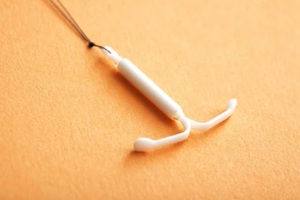 Your anatomy, medical history, and stress levels can all affect pain during IUD insertion.
- Scheduling your appointment at the right point in your menstrual cycle may help reduce discomfort.
- Different IUD types and sizes can influence how the procedure feels.
- A reputable provider can make a major difference in your overall IUD experience.
- There are several safe strategies you can use before and after the procedure to help manage pain.
Why IUD Insertion Pain Varies
If you have been researching birth control options, chances are you have come across stories about painful IUD insertions. Some women describe mild cramping that passes quickly, while others say the experience felt intense or overwhelming. Reading these different experiences can make you anxious before your own appointment.
The truth is that pain during IUD insertion is highly personal. Bodies often respond in different ways. Your anatomy, medical history, stress level, and even the timing of your appointment can all affect how the procedure feels. Knowing these IUD pain factors can help you feel more prepared for your appointment.
1. Your Individual Pain Sensitivity
Everyone experiences pain in different ways. Some people naturally have a higher sensitivity to cramping or pelvic discomfort, while others tolerate procedures more easily. Research found that anticipated pain and anxiety can strongly influence the level of discomfort patients report during gynecologic procedures.
This doesn’t imply the pain is “in your head.” It means your nervous system and emotional state can affect how intensely your body reacts. If you already experience painful periods or pelvic pain, you may notice stronger cramping during insertion as well.
2. Whether You Have Given Birth Before
Women who have previously delivered vaginally often report less pain during IUD insertion. This is because the cervix may stretch more easily after childbirth.
Patients who have never given birth sometimes have a tighter cervical opening, which can make insertion more uncomfortable. According to the American College of Obstetricians and Gynecologists, pain levels during insertion are often higher among nulliparous patients, meaning those who have not carried a pregnancy to delivery.
3. The Timing of Your Menstrual Cycle
The timing of your appointment can play a surprisingly important role in your IUD experience. During your menstrual cycle, the cervix is naturally slightly softer and more open. Some providers recommend scheduling insertion during menstruation because it may make placement easier and potentially reduce IUD pain.
You may also notice that your body is more relaxed hormonally during certain parts of your cycle. While this will not eliminate discomfort, it can sometimes make the procedure smoother.
4. The Type and Size of the IUD
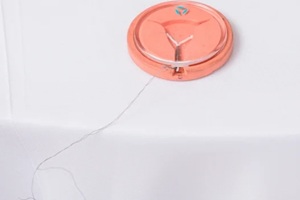 Not all IUDs are the same size. Some are smaller and more flexible, while others are larger and typically recommended for longer-term use.
A smaller IUD may feel more comfortable during insertion for certain patients, particularly younger women or those with a smaller uterus. Hormonal IUDs and copper IUDs can also create slightly different experiences depending on your body.
Your provider can help you decide which IUD type best fits your anatomy, health history, and comfort level.
5. Anxiety and Emotional Stress
Fear can increase muscle tension in the body, including the cervix and pelvic floor. If you go into the appointment extremely anxious, your muscles may tighten automatically, making insertion more difficult.
One study published in BMC Women’s Health found that anxiety before gynecologic procedures was associated with higher reported pain scores.
6. Underlying Gynecologic Conditions
Certain health conditions can make the uterus and pelvic region more sensitive.
Conditions that may contribute to increased IUD insertion pain include:
- Endometriosis
- Adenomyosis
- Pelvic inflammatory disease
- Uterine fibroids
- Chronic pelvic pain disorders
If you have a history of severe menstrual pain or pelvic pain, discuss it openly before your appointment. Your provider may recommend strategies to reduce IUD pain or determine whether another birth control option is better suited to your needs.
7. Cervical Position and Uterine Anatomy
Every uterus has a slightly different shape and position. Some tilt forward, while others tilt backward. In some cases, the cervix may also sit at a sharper angle.
These variations are completely normal, but they can make insertion technically more challenging. According to the Cleveland Clinic, anatomical differences can affect your overall level of IUD placement pain.
8. Your Provider’s Technique and Experience
The clinician performing your insertion matters more than many people realize. A skilled provider who performs IUD insertions regularly may complete the procedure more smoothly and efficiently. Gentle communication also matters. Feeling rushed or dismissed can increase tension and worsen discomfort.
Do not hesitate to ask questions beforehand, including:
- How often they perform IUD insertions
- What pain management options are available
- What you should expect during recovery
Feeling informed can help you feel calmer and more prepared.
9. Pain Management Before and After IUD Placement
Many women wonder how painful IUD insertion is and whether there is anything they can do to make it easier. Fortunately, several practical tips for IUD insertion may help.
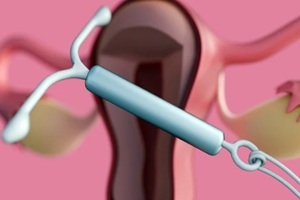 Your provider may suggest taking over-the-counter anti-inflammatory medication beforehand to help reduce cramping. Some clinics also offer local anesthetic options or cervical numbing medications for patients with higher anxiety or pain concerns. Nitrous (also known as “laughing gas”) can also help reduce pain and anxiety levels for some women.
Mild cramping and light spotting are common for a few days after insertion. Most side effects improve gradually as your body adjusts to the device. Over the counter pain medications such as ibuprofen as well as rest, hydration, heating pads, and gentle movement can all support recovery.
You Deserve Compassionate Women’s Healthcare
Concerns about IUD procedure discomfort are valid, and you should never feel embarrassed for expressing fear or asking questions. The more informed you are about IUD pain factors, the more confident and prepared you can feel before your appointment.
If you are considering an IUD or want personalized guidance about birth control options, contact Raleigh Gynecology & Wellness to schedule a consultation and discuss the best path forward for your needs.