
Essential Takeaways:
 The first three months with an IUD are often an adjustment period with temporary symptoms.
- Spotting, cramping, and cycle changes are common early IUD side effects.
- Hormonal and copper IUDs can affect your period in different ways.
- Most symptoms improve as your body adapts over time.
- Open communication with your women’s health provider helps your IUD remain safe and comfortable for you.
The Adjustment Period No One Fully Explains
An IUD offers reliable, long-term protection, but your body may need time to adapt. During the first few months, you could notice changes that feel unfamiliar or even concerning. Spotting, cramping, and cycle changes are common early on. Knowing what to expect during this adjustment phase can help you feel prepared instead of concerned. Here’s what you can realistically expect during those first 90 days and how to care for yourself along the way.
The First Few Days: Cramping and Rest
It’s common to experience cramping immediately after IUD insertion. Your uterus is responding to a new device, and that can cause mild to moderate discomfort. For many women, cramping improves within a few days, though some feel intermittent cramps for a few weeks.
Using a heating pad, resting, and taking over-the-counter pain medications can help. Light spotting is also typical in the first days after placement.
If you have severe pain that doesn’t improve or pain accompanied by fever, contact your provider right away. These symptoms are rare, but they warrant a medical evaluation.
Weeks 1 Through 4: Spotting and Irregular Bleeding
As the first month continues, spotting becomes a common concern. You may notice light bleeding between periods or longer cycles than usual. This is especially common with hormonal IUDs.
Yale Medicine states that irregular bleeding and spotting are expected during the first three to six months of hormonal IUD use. Over time, bleeding usually becomes lighter and more predictable.
For women with copper IUDs, their periods may be heavier or more crampy at first. Research shows that up to 70% of copper IUD users report increased menstrual bleeding in the early months. For most women, this improves gradually.
Tracking your cycle can help you see patterns and understand whether your symptoms are stabilizing.
Months 2 and 3: Hormonal Shifts and Cycle Changes
By the second and third months, many women begin to notice their bodies settling into a new rhythm. With hormonal IUDs, periods often become lighter and shorter. Some women eventually stop having periods altogether.
Clinical data show that about 20% of women using a levonorgestrel IUD stop having periods after one year. During the first three months, however, it is common to experience unpredictable bleeding before things level out.
You might also notice breast tenderness, mild acne, or mood changes with a hormonal IUD. While the hormone dose is low and primarily localized in the uterus, some systemic symptoms can occur. These usually improve as your body continues to adjust.
Checking the Strings and Monitoring Placement
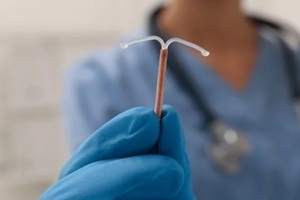 During the first few months, your provider may recommend periodic checks of your IUD strings.
Expulsion, which means the IUD partially or completely comes out, occurs in about 2 to 10% of users, per ACOG’s Committee on Gynecologic Practice. It is more likely in the first year, especially in the early months.
If you have very heavy bleeding, can’t feel the stringsor notice unusual pain, schedule an appointment. In many cases, everything is fine, but it is reassuring to confirm placement.
What Is Not Normal
While adjustment symptoms are common, some signs require evaluation. Contact your health provider if you experience:
- Severe or worsening abdominal pain
- Fever or chills
- Foul-smelling vaginal discharge
- Very heavy bleeding, such as soaking through a pad every hour
- Signs of pregnancy
These symptoms are fairly uncommon but shouldn’t be ignored. Early evaluation can provide peace of mind.
The Emotional Side of the First Three Months
Beyond physical symptoms, the adjustment period can feel emotionally uncertain. You may find yourself wondering whether you made the right choice. You might compare your experience to a friend’s and wonder why yours feels different.
Remember that everybody responds in their own way. Some women adjust quickly with minimal symptoms. Others need a few months before feeling fully comfortable. Both experiences are valid.
Remind yourself that the first three months are a transition. If symptoms are mild and gradually improving, that is often a sign your body is adapting.
When To Follow Up
Many providers schedule a follow-up visit a few weeks after IUD insertion. Even if you do not have a scheduled appointment, you can always reach out with concerns.
Open communication makes a difference. Whether you are dealing with persistent spotting, mood changes, or discomfort during intercourse, your provider can discuss options. Sometimes, reassurance is all you need. In other cases, small adjustments can improve your experience.
Contact the Team at Raleigh Gynecology & Wellness
 The first three months with an IUD are often about adjustment, patience, and communication. While some side effects are common, most improve with time.
If you are considering an IUD, have recently had one placed, or have concerns about your symptoms, our team at Raleigh Gynecology & Wellness is here to listen. Contact us today to discuss your experience and make sure that your birth control choice continues to meet your needs.