
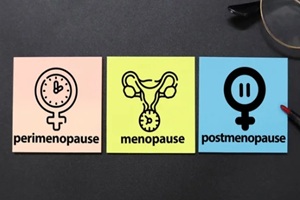
 For many women, the thought of menopause can bring feelings of uncertainty or even worry. It’s a natural transition that every woman experiences, yet the timing and symptoms can vary greatly from person to person. Menopause is not a single event but rather a series of stages, starting with perimenopause, which typically begins in a woman’s mid-40s.
Knowing what each stage entails can help you feel more prepared and supported as you move from perimenopause into menopause, and ultimately postmenopause. Learn what to expect and why it may be helpful to reach out to a menopause specialist for guidance.
The Stages of Menopause
Menopause is a three-part process that unfolds over several years. All women experience menopause differently, with some noticing subtle changes and others having symptoms that affect their daily life.
The process generally begins with perimenopause, as hormone levels start to fluctuate and cycles become irregular. It continues with menopause, the official milestone marked by 12 months without a period. Finally, women enter postmenopause, a stage that lasts for the rest of their lives and brings its own health considerations.
Recognizing where you are in this transition is the first step toward better wellness.
Perimenopause: The Transitional Years
Perimenopause is the stage that signals the beginning of menopause, often starting in the 40s but sometimes occurring earlier. During this stage, the ovaries produce less progesterone and estrogen, resulting in hormone fluctuations that affect both the body and mind.
Many women notice changes, such as irregular menstrual cycles, night sweats, hot flashes, sleep disturbances, mood swings, or vaginal dryness. Although these are all normal transition symptoms, they can sometimes feel overwhelming or disruptive.
Perimenopause is also a time when long-term health becomes more important, as declining estrogen can impact bone strength and cardiovascular health. Tracking your cycles and noting symptoms can help manage changes. If you experience very heavy bleeding, severe mood shifts, or sleep loss that affects daily life, it’s a good idea to consult with a healthcare provider.
Menopause: The Official Milestone
Menopause is officially reached when a woman has surpassed 12 months with no menstrual cycle, marking the end of natural fertility. This milestone occurs at approximately 51 years of age.
 During menopause, the ovaries stop releasing eggs and produce less estrogen, which can lead to both emotional and physical changes. Common symptoms include hot flashes, brain fog, changes in hair or skin, weight fluctuations, and a decrease in libido. Some women notice shifts in mood or energy levels, while others may experience few symptoms at all.
As every experience is different, supportive care is essential. Balanced nutrition, exercise, stress management, and other lifestyle strategies are effective. Non-hormonal options and hormone replacement therapy (HRT) may be considered for those with more severe symptoms under the guidance of a healthcare professional.
Postmenopause: Life Following Menopause
The postmenopause stage is after menopause, lasting for the rest of a woman’s life. By this stage, menstrual periods have permanently ended, and while hormone fluctuations settle, the body continues to adjust to lower estrogen levels. Many symptoms, such as hot flashes, may gradually ease, but others, such as vagina dryness, urinary changes, or bone thinning, can persist or develop.
Long-term health considerations become especially important as women experience a higher risk of osteoporosis, cardiovascular disease, and urogenital concerns. With the right approach, most women can manage these conditions and continue living fulfilling lives. Regular screenings, preventive care, and healthy lifestyle choices are essential in maintaining well-being.
Most importantly, ongoing conversations with healthcare providers can address new symptoms or risks early on, supporting long-term health and quality of life.
Maintaining Wellness During Menopause
Menopause is a natural life stage, not an illness, and it deserves to be approached with compassion rather than fear. While symptoms can sometimes be disruptive, personalized care can significantly improve how the transition is experienced.
Managing symptoms, such as hot flashes or sleep disturbances, while also supporting mental well-being and overall long-term health, highlights how each woman’s menopause is different. Maintaining bone density and cardiovascular health, as well as taking other preventative measures, are important during this stage.
With personalized guidance and consistent support, women can confidently experience menopause, embrace midlife fully, and enjoy good health for years to come.
Schedule an Appointment
 Menopause is a transitional stage in every woman’s life, and with the proper care, it can be managed confidently and comfortably. Embracing each stage and learning how your body responds can help you maintain balance and overall well-being.
If you’re seeking guidance or personalized strategies for managing symptoms and maintaining long-term health, contact our Raleigh Gynecology & Wellness team to partner with a trusted menopause specialist.