
Essential Takeaways
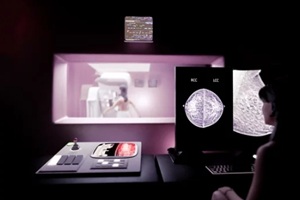 Knowing the differences between 3D and standard mammograms helps you make more confident breast screening decisions.
- Each imaging method has different strengths depending on your breast density and risk level.
- 3D mammograms can improve detection rates, especially in women with dense breast tissue.
- Standard mammograms remain effective and widely used for routine screening.
- Your provider can help you choose the option that aligns with your personal health needs.
Screening Choices: 3D vs Standard Mammogram
You may have more than one option for breast screening, and knowing the differences matters. If you have been told you need a mammogram, you may be wondering about the difference between a 3D and a standard mammogram.
Knowing how each type works, what they can detect, and which may be best for your body can help you feel more confident in your breast health moving forward. This mammogram comparison guide is designed to give you clarity.
What To Know About Standard Mammograms
A standard mammogram, also known as 2D mammography, takes two flat images of each breast. These images are captured from different angles to detect changes such as lumps, calcifications, and other abnormalities.
This method has been used for decades and remains a trusted tool in the early detection of breast cancer. It is widely available, typically covered by insurance, and effective for many women.
However, because the images are flat, overlapping breast tissue can often make it difficult to spot small abnormalities, notably for those with denser breasts. Still, standard mammograms continue to play an important role in women’s health screening options and are often the starting point for routine care.
According to the American Cancer Society, regular mammograms can help detect breast cancer earlier, when it is easier to treat and before symptoms appear.
What Makes 3D Mammograms Different
A 3D mammogram, also known as digital breast tomosynthesis, captures images of the breast from different angles. These images are then reassembled into thin layers, giving your provider a more detailed, three-dimensional view.
This advanced mammography technology allows breast tissue to be reviewed layer by layer. It can reduce the impact of overlapping tissue and improve the visibility of small or hidden abnormalities.
Research shows that 3D mammography can increase the detection rate of invasive breast cancer by up to 40%. 3D mammograms can also lower the need for follow-up testing. Fewer callbacks mean less stress and fewer extra appointments, which is an important factor when considering the benefits and risks of mammograms.
Comparing Accuracy and Detection
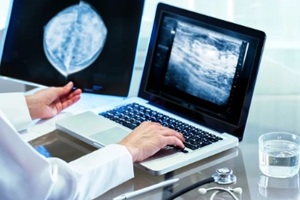 When evaluating a 3D vs standard mammogram, accuracy is often top of mind. Both methods are effective, but they perform differently depending on your individual factors.
3D mammography tends to be more accurate for women with dense breasts. Dense tissue can appear white on a mammogram, just as potential tumors do, making interpretation more challenging. The layered imaging of 3D scans helps separate these structures.
Tomosynthesis has been shown to lower recall rates, meaning fewer women need to return for additional imaging or testing after their initial screening. One study found that 3D mammograms lowered the biopsy rate from 69% to 36%, without affecting the cancer detection rate.
That said, standard mammograms are still highly effective for many women, especially those with fatty breast tissue where abnormalities are easier to detect.
Breast Density and Personal Risk Factors
Your breast density plays an important role in choosing the type of mammogram. If you have dense breast tissue, you may benefit more from 3D imaging. Many states now require that patients be informed about their breast density after screening.
Beyond density, your personal and family medical history also matters. If you have a higher-than-normal breast cancer risk, your provider may suggest more advanced imaging or a combination of screening methods.
The Centers for Disease Control and Prevention notes that factors such as age, genetics, and reproductive history all influence breast cancer risk. This is why conversations with your provider are so important.
Weighing Mammogram Benefits and Risks
Every screening tool has benefits and limitations. Standard mammograms are widely available and reliable, while 3D mammograms offer greater detail and may reduce uncertainty.
There is a slightly higher radiation exposure with 3D imaging compared to 2D, but it remains within safe limits approved for medical use. For many women, the improved detection outweighs this small difference.
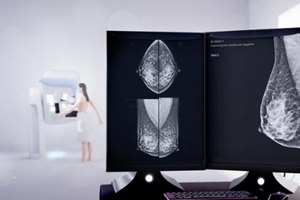 Cost can also be a factor. While coverage for 3D mammograms has expanded, some insurance plans may not cover it at all or only partially. It is worth checking ahead of time so you can plan accordingly.
When you think about early detection of breast cancer, the most important step is consistent screening. The best test is the one you feel comfortable completing regularly.
Schedule Your Next Mammogram
If you are ready to explore your breast cancer screening options, our team at Raleigh Gynecology & Wellness is here to help you feel informed and supported. Schedule your screening today and receive compassionate, personalized breast care.