
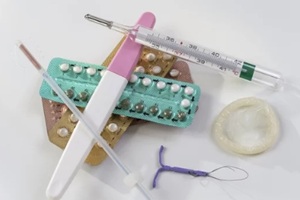
 A birth control method that worked well at 24 may not fit at 36 or 46, and noticing the change is a good reason to ask questions. Bothersome side effects and changes in bleeding are common signs that a method no longer fits, as is trouble using it consistently. Health changes also matter, particularly smoking after age 35 and the approach of perimenopause.
A recent diagnosis or medication change can alter which methods remain appropriate, including methods that may have served you well for years. Implants and intrauterine devices (IUDs) carry approved lifespans, so keep track of the removal date on your card. A gynecologist can review all of it with you in a single visit, including timing and backup protection, and help you decide when to switch birth control.
Signs Your Birth Control Is Not Working for You
The Centers for Disease Control and Prevention (CDC) notes in its U.S. Selected Practice Recommendations for Contraceptive Use from 2024 that spotting or light bleeding is common with the implant and during the first three to six months of IUD use. Heavy or prolonged bleeding after months of steady use is a different matter, since the same guidance lists thyroid disorders, polyps, fibroids, and sexually transmitted infections as causes to rule out.
- Heavier, longer, or less predictable bleeding than you were told to expect is a sign to reevaluate your options.
- Side effects that disrupt your routine or don’t ease as your body adjusts are a valid reason to switch.
- Trouble taking a pill or changing a patch or ring on schedule matters, since typical-use data from the U.S. Department of Health and Human Services (HHS) Office of Population Affairs show that 9% of women using a pill, patch, or ring have an unintended pregnancy within a year, compared with 0.2% for hormonal IUDs and 0.05% for the implant.
- Emergency contraception works after a missed pill or a slipped condom but is not meant as a regular method, so see a gynecologist if you’ve needed it more than once.
Health and Life Changes That Call for a Fresh Look
The CDC’s U.S. Medical Eligibility Criteria for Contraceptive Use from 2024 states that combined oral contraceptives are usually not recommended for people 35 and older who smoke fewer than 15 cigarettes a day and should not be used at 15 or more, because of the risk of heart attack and stroke. Progestin-only pills contain no estrogen and are a safer option for smokers over 35, which matters when selecting the best birth control after 35. The criteria also apply to continuing a method, so a condition that develops mid-use is a reason to revisit the choice.
Perimenopause occurs between ages 40 and 55, and its symptoms include irregular periods, hot flashes, night sweats, and mood swings. Because a birth control method can also change bleeding patterns, a bleeding change during perimenopause deserves an evaluation. The annual GYN wellness screening often covers contraception, so you can raise these changes at a visit you may already have scheduled.
How Long Implants and IUDs Last

The U.S. Food and Drug Administration (FDA) approved Nexplanon for up to five years of use on Jan. 16, 2026, up from three. An implant already in place is good for five years from its placement date, and those considering it should learn more about the brief office procedures for placement and removal.
Mirena, a hormonal IUD, is approved for up to eight years, according to Contemporary OB/GYN, and the copper IUD Paragard lasts up to 10 years, according to the contraceptive care page. After an insertion, you receive a cardlisting the recommended removal date. Both can be removed sooner if you want a different method. Severe pain, fever, or unusual discharge after insertion should prompt a call to your provider, as this guide to normal versus concerning IUD symptoms explains.
What to Expect When Changing Birth Control Methods
People switching birth control pills for an IUD or an implant do not need to wait for their next period, according to the CDC’s selected practice recommendations, once a provider confirms that pregnancy can reasonably be ruled out. A copper IUD needs no backup protection, while a hormonal IUD calls for condoms or abstinence for seven days if more than seven days have passed since bleeding started, and an implant calls for the same seven days if more than five days have passed.
Questions Worth Bringing to an Appointment
- Do your health history, smoking status, or any medications change which methods are appropriate?
- When does your implant or IUD reach the end of its approved lifespan?
- What backup protection is needed while switching, and for how many days?
- Which methods fit your schedule if daily pills are hard to take consistently?
Schedule a Contraception Visit at Raleigh Gynecology & Wellness

Our all-women team at Raleigh Gynecology & Wellness has cared for women for more than 30 years. We place IUDs and Nexplanon implants in our office and help you weigh your health history, lifestyle, and goals before settling on a method. If a side effect has lingered or a removal date is approaching, schedule soon so any switch can be timed around your cycle.
Schedule an appointment online or call (919) 636-6670 to talk through your options with our team.