
Essential Takeaways
 Spotting and mild cramping are common in the first days and weeks after IUD placement.
- Many women experience an adjustment period that can last several months before symptoms improve.
- Hormonal and copper IUDs can affect bleeding patterns differently during recovery.
- Recognizing the difference between expected side effects and potential concerns can make the recovery process less stressful.
- Severe pain, heavy bleeding, fever, or unusual discharge should prompt a call to your healthcare provider.
Healing After IUD Insertion: The Experience
Getting an IUD can be an empowering choice for your reproductive health, but the days and weeks that follow may come with questions. If you are experiencing cramping, spotting, or changes in your cycle, you may be wondering whether what you are feeling is normal. Fortunately, most symptoms improve as your body adjusts to the device.
Every person’s experience is different, but knowing the typical IUD recovery timeline can help you feel more confident and prepared. This IUD recovery guide walks you through what to expect after IUD placement, week by week, so you can better understand your body’s healing process.
Week 1: The Immediate Recovery Period
The first few days after IUD insertion are often the most noticeable part of the healing process. Mild to moderate pelvic cramping, often comparable to period cramps, is common during the first few days, along with light spotting or bleeding. Some people also notice lower back discomfort or mild fatigue.
Rest, hydration, and a heating pad may help ease discomfort. Over-the-counter pain relievers may also be appropriate if recommended by your healthcare provider.
According to the Centers for Disease Control and Prevention (CDC), spotting and light bleeding are common after both hormonal and copper IUD placement, particularly during the first several months of use.
Week 2: Symptoms Begin to Settle
By the second week, many people notice that cramping becomes less intense and less frequent. However, occasional cramps and spotting after IUD insertion can still occur. This stage of IUD cramping recovery often involves good days and bad days as your uterus adjusts.
You may also begin paying closer attention to changes in your cycle. Some people experience irregular bleeding patterns that can feel unpredictable at first. Although these changes can be inconvenient, they are often a normal part of your body’s adjustment to the IUD.
Weeks 3-4: Adjusting to the IUD
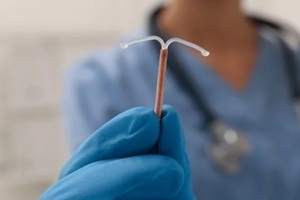 As you move through the first month, post-IUD symptoms often continue to improve. Cramping may occur occasionally rather than daily, and spotting may become lighter.
Research and clinical guidance indicate that many people experience cramping and spotting that gradually decrease during the first several weeks after insertion. For some, symptoms resolve sooner, while others continue to notice mild symptoms during the first three to six months.
During this time, pay attention to how your body is responding overall. Hormonal IUDs may eventually lead to lighter periods, while copper IUDs can initially cause heavier bleeding and stronger menstrual cramps.
Months 2-3: The IUD Adjustment Period
Many patients are surprised to learn that the IUD adjustment period can extend beyond the first month. During months two and three, irregular bleeding, occasional cramping, and cycle changes may still occur.
The Cleveland Clinic reports that it can take approximately three to six months for the body to fully adjust to an IUD, regardless of the type used. During this time, spotting, increased bleeding, and cramping are among the most common IUD side effects.
If you have a hormonal IUD, you might start to have lighter periods. If you have a copper IUD, heavier periods may gradually improve as your body adapts. Many patients find that symptoms become more predictable during this stage.
When Should You Contact Your Health Provider?
Most symptoms associated with birth control recovery are temporary. However, certain signs should not be ignored.
Contact your healthcare provider if you have:
- Severe or worsening pelvic pain
- Heavy bleeding that feels excessive
- Fever or chills
- Foul-smelling vaginal discharge
- Pain during intercourse
- Concerns that your IUD may have shifted
While serious complications are uncommon, prompt evaluation can help identify issues such as infection, expulsion, or device displacement. It’s recommended to contact a healthcare provider whenever symptoms feel concerning, significantly interfere with daily life, or you think you might be pregnant.
Supporting Your Recovery
Your recovery experience may differ from others, and that is okay. Listening to your body is an important part of women’s reproductive health.
Give yourself time to adjust, stay hydrated, prioritize rest when needed, and keep track of any symptoms that concern you. If you have questions, seeking guidance from a trusted gynecology provider can offer reassurance and personalized support.
Call Raleigh Gynecology & Wellness for Professional Guidance
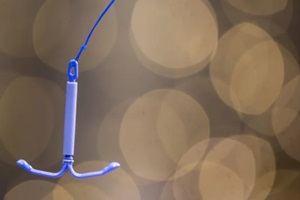 Learning what changes and symptoms are common after IUD placement can help you approach recovery with greater peace of mind. While cramping, spotting, and cycle changes are common parts of healing after IUD insertion, you should never feel like you have to manage concerns alone.
If you have questions about post-IUD symptoms, need IUD follow-up care, or want personalized guidance about your reproductive health, contact our women’s health team today at Raleigh Gynecology & Wellness.