Essential Takeaways:
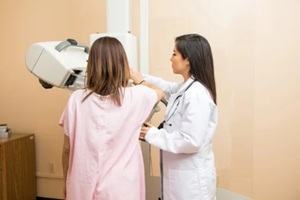 Mammograms can be safely performed during or after breastfeeding when medically indicated, and there is no need to interrupt lactation.
- Breastfeeding can increase breast density, which may make imaging slightly more complicated to interpret without proper preparation.
- Emptying your breasts by nursing or pumping right before imaging can improve comfort and image clarity.
- Routine breast cancer screening should not be delayed solely due to concerns about breastfeeding or milk production.
- Combining mammograms with breast ultrasound provides a reliable evaluation for lumps or other concerning changes postpartum.
Getting a Mammogram During or After Breastfeeding
You’ve just welcomed a new life into the world, and your body is still adjusting to the whirlwind of hormones, feedings, and postpartum changes. During this stage, you might be due for a breast cancer screening and may wonder if you can even get a mammogram while breastfeeding. Is it safe? And how accurate are the results with milk-filled breasts? These questions are entirely normal, and you’re not the only one asking them.
While breast tissue naturally becomes denser during lactation, this doesn’t mean you should delay necessary imaging if your healthcare provider recommends it. With proper preparation and radiology expertise, mammograms can be both safe and effective, even during breastfeeding. Find out how breastfeeding affects mammograms and what to expect during the procedure.
Why These Concerns Are so Common
Taking preventive measures to maintain your health is a sound decision, but it can also raise concerns. When your provider suggests a mammogram during or shortly after breastfeeding, it’s normal to hesitate. Many moms worry about:
- Radiation exposure to themselves or through breast milk
- Impact on milk supply or potential harm to the baby
- Accuracy of imaging when breast tissue is changing postpartum
These concerns are understandable. However, evidence and professional recommendations show that mammography can be performed safely, using thoughtful techniques that preserve both your breastfeeding goals and your peace of mind.
Mammograms Are Safe Even While Breastfeeding
Research and clinical guidelines confirm that breast imaging, including mammography, is safe during both pregnancy and lactation when medically indicated. You do not need to stop breastfeeding before or after the exam, and there’s no reason to “pump and dump” afterward.
Exposure to radiation during a mammogram is very low and directed solely at the breast tissue. It doesn’t accumulate in the milk and doesn’t pose a risk to your baby. That’s why leading groups, including the American Society of Breast Surgeons, explicitly recommend that screening shouldn’t be delayed during lactation if screening or diagnostic evaluation is necessary.
How Breastfeeding Affects Mammogram Images
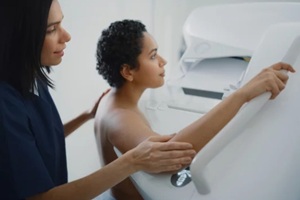 Breastfeeding causes increased breast density because your milk ducts and glands are fuller and more active. Roughly 88% of pregnant, lactating, or postpartum women undergoing breast imaging have dense or extremely dense breasts, which can make mammograms a bit more challenging to interpret.
Dense tissue isn’t dangerous in itself, but it can sometimes obscure small changes, such as early tumors or cysts, on routine mammography. That’s why your radiologist may recommend:
- Ultrasound, in addition to mammography
- Imaging after you’ve nursed or pumped to reduce milk volume
- Additional views, if needed, to assess tricky areas
Emptying your breasts immediately before imaging helps reduce discomfort and tissue density, improving the clarity of the images your radiologist sees.
No Effect on Milk Production or Supply
One of the most common concerns is whether a mammogram will harm your ability to breastfeed. It’s important to know that the compression used during mammography won’t reduce your milk production or harm your ducts. The slight discomfort you may feel during compression is temporary, and many women find that feeding or pumping right before the appointment helps.
Unlike some imaging tests that require contrast dyes (such as certain MRIs), standard mammography doesn’t affect breast milk. You can resume feeding your baby immediately after the exam without worry.
When Mammograms Are Particularly Important
Mammograms aren’t always done routinely during lactation, but they are recommended if:
- You have a family member with a history of breast cancer
- You feel a lump that doesn’t resolve after a week
- You experience unusual changes, such as persistent pain, nipple discharge, or thickening
- Your primary imaging (e.g., ultrasound) suggests further evaluation
In those situations, delaying imaging for fear of breastfeeding concerns could postpone diagnosis and treatment of something important. While dense or lactating tissue can complicate interpretation, experienced breast imaging teams know how to use combined modalities (ultrasound and diagnostic views) to obtain accurate results.
Self-exams remain essential, too. If something feels different or doesn’t go away with time, don’t hesitate to reach out to your women’s health provider.
Ready to Take the Next Step?
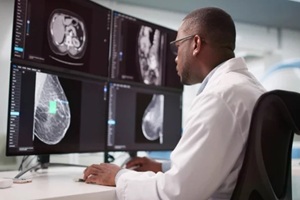 If you’re pregnant, breastfeeding, recently postpartum, or juggling it all and have questions about mammography, breast cancer screening, or breast health concerns, we’re here for you.
Our experienced breast care team at Raleigh Gynecology & Wellness specializes in compassionate, evidence-based healthcare for women at all stages of life. Schedule an appointment with us today and get the clarity, reassurance, and personalized care you deserve.